
By: Northwest Square Staff
Let’s talk about something every couple wrestles with while planning a wedding—booze.
Sure, love is beautiful, commitment is sacred, and your venue might be a stunning place like Northwest Square, but let’s not pretend we’re not all watching that bar tab like it’s a live sports score. Alcohol can sneak up on your budget faster than a groomsman at the open bar, and if you’re not careful, you’ll be wondering if you accidentally funded a small distillery by the end of the night.
But here’s the deal—you don’t need a full bar to have an unforgettable party. A beer and wine bar can still bring the good times without wiping out your savings account. In fact, it could save you thousands.
Let’s crack this open (pun absolutely intended).
What’s the Big Difference, Anyway?
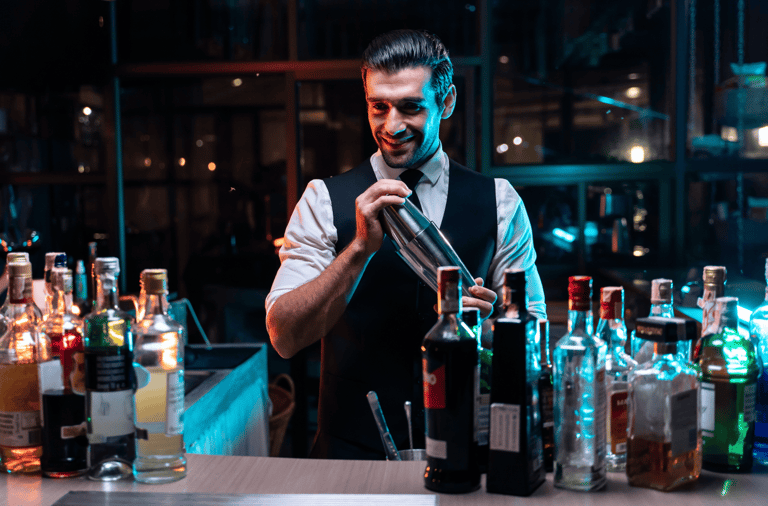
A full bar usually means offering everything: beer, wine, and a wide range of spirits. We’re talking vodka, rum, gin, tequila, whiskey—and the mixers, garnishes, and tools to make your cousin’s custom mojito order at 10:45 p.m.
A beer and wine bar, on the other hand, keeps things simple. Think crowd-pleasers: a few varieties of wine, maybe some craft beers and domestic favorites, maybe a prosecco or cider if you’re feeling fancy. That’s it. No hard liquor, no bartenders shaking like they’re auditioning for a cocktail competition.
So why does this matter?
Because alcohol is one of the top three most expensive elements of most weddings—alongside catering and venue. And the more you offer, the more your budget bleeds.
The Cold, Hard Numbers
Let’s run some basic math, no spreadsheets needed:
Full Bar Costs:
• You’re typically looking at $30–$50 per person, depending on how top-shelf you’re going.
• For 150 guests, that’s $4,500 to $7,500, not including service charges, tax, or hangover regrets.
Beer & Wine Bar Costs:
• A typical range is $15–$25 per person.
• For the same 150 guests, that’s $2,250 to $3,750.
That’s potentially a $4,000 savings, which can go toward your honeymoon, upgraded catering, or you know, fixing the AC in your car after the wedding dust settles.
The Guest Experience: Are You Really Cutting Corners?
Let’s be honest—your guests aren’t arriving expecting a nightclub experience. They’re coming to celebrate your marriage, eat some good food, and maybe loosen up on the dance floor after two glasses of merlot.
And unless your crew includes an amateur mixologist or someone who’s personally offended by the absence of bourbon, most people are perfectly happy with a solid wine and beer selection.
You can even curate it to fit your personalities:
• Craft beer fan? Offer a couple local brews.
• Love Italian food? Go heavy on reds and offer a crisp pinot grigio.
• Want something bubbly? Add a prosecco toast or a DIY mimosa bar.
Give your drinks intention, and nobody will miss the vodka sodas. They’ll be too busy sipping and socializing.
Bartending Made Easier (and Cheaper)
Another win for beer and wine bars? Simplified service. With fewer options to pour and no need for complicated cocktail prep, bartenders work faster, and you need fewer of them. Translation: lower staffing costs.
A full bar usually means multiple bartenders, longer lines, and possibly some guy yelling “Can you make a Negroni? But like spicy?” at your college roommate.
With beer and wine, you serve more guests in less time. And that’s more time for people to toast, dance, and maybe—just maybe—not spill a gin and tonic on your mother-in-law.
Controlling Overindulgence (a.k.a. the Uncle Gary Clause)
Let’s address the elephant at the open bar: over-drinking.
We’ve all been to that wedding. The one where someone’s had a few too many Long Islands, starts giving impromptu speeches, and ends the night doing The Worm in a rented tux.
With a beer and wine bar, you naturally cut down on the hard stuff—and with it, the chances of someone getting too festive.
That doesn’t mean your party will be boring. It means you’ve smartly created a vibe where everyone can celebrate without it turning into a college tailgate. Guests will still get a happy buzz, but fewer will hit the point where you’re Googling “how to clean wine from chiffon.”
Custom Touches Still Work with a Beer & Wine Bar
Just because you’re skipping liquor doesn’t mean you have to skip style. There are a ton of fun, personal ways to make your beer and wine bar stand out:
• Signature sangrias with seasonal fruit
• A local beer flight station
• Wine spritzer bar with fruit infusions
• Custom pint or wine glasses as favors
• Chalkboard menu with pairing suggestions
At Northwest Square, you could add a “his and hers” beer pick to the bar menu. It’s personal, playful, and way more on-brand than offering every brand of whiskey under the sun.
It’s Easier to Get Licensed & Approved
Some venues require a licensed bartender or even a liquor license if you’re serving spirits. That can be another cost or hassle.
But if you’re just serving beer and wine—especially if it’s provided through a licensed caterer or rental company—you’re often in the clear.
Fewer permits, fewer rules, fewer headaches. That’s a win.
When a Full Bar Does Make Sense
Look, we’re not here to shame the full bar crowd. If your wedding is black-tie, ultra-luxe, and your guests would riot without martinis, then maybe a full bar is worth it.
If you’ve got the budget, and cocktails are part of your couple’s vibe, go for it.
But if you’re hosting a laid-back celebration—outdoors, rustic chic, or cozy and romantic—a beer and wine bar more than gets the job done. Especially if it’s at a venue like Northwest Square, where the setting speaks for itself and the drinks are just a bonus.
Final Sip: What’s It All About Anyway?
At the end of the day, your wedding isn’t about the liquor. It’s about you, your partner, and sharing the start of your new life with the people you love.
Sure, a full bar can feel glamorous. But a smartly crafted beer and wine bar shows confidence. It says: we know what we like, we know how to throw a great party, and we didn’t take out a second mortgage for tequila shots.
So pour the pinot, crack the cold one, and celebrate like the legends you are—without waking up the next morning wondering where half your budget went.